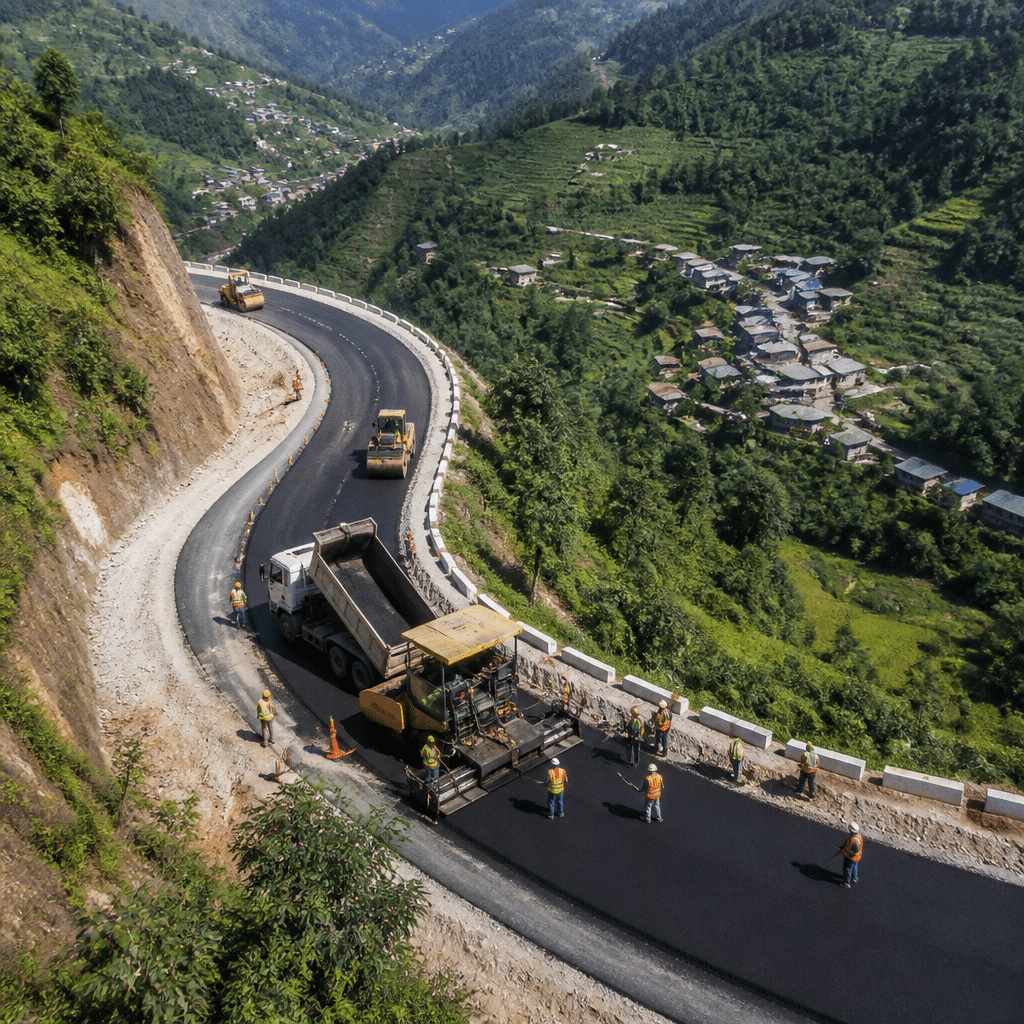
Haiti faces one of the most acute infrastructure deficits in the Western Hemisphere. Roads connecting rural mountainside communities to markets are impassable for months at a time. Access to clean water, proper sanitation, and resilient shelter remains out of reach for millions. These are not abstract policy failures. They are the daily conditions that trap families in poverty and make sustainable cities Haiti advocates have long called for seem impossibly distant. Community2Community (C2C) works directly inside this reality, not above it, through a community-led model that treats SDG 11 Haiti targets as concrete building goals, not aspirational language.
UN Sustainable Development Goal 11 calls for making cities and human settlements inclusive, safe, resilient, and sustainable. In wealthy countries, SDG 11 discussions often center on urban transit systems and smart city technology. In Haiti, the conversation starts much earlier: with whether a community has a road at all, whether water reaches households without a two-hour walk, and whether buildings can survive the next seismic event or hurricane.
SDG 11 is not just an urban goal. Its targets include improving housing conditions in informal settlements, providing universal access to safe and affordable transportation, strengthening disaster risk reduction, and ensuring communities have inclusive, participatory planning processes. Every one of those targets speaks directly to conditions in both urban neighborhoods in Port-au-Prince and rural mountainside communities across Haiti.
“Development is not something that happens to communities. It is something communities do for themselves, with the right support at the right time.”
Haiti’s infrastructure challenges compound one another. A community without roads cannot reliably transport goods to markets, which means economic activity stagnates. Without economic activity, there is no tax base for local maintenance of roads, water systems, or schools. Without those services, the next generation leaves, taking skilled labor with it. SDG 11 in Haiti is not a single problem. It is a tightly interconnected set of conditions that all need to move together.
| Key Insight | Explanation |
|---|---|
| SDG 11 applies to rural Haiti, not just cities | Mountainside communities face the same SDG 11 deficits as urban slums: inadequate roads, poor sanitation, and unsafe shelter. The goal covers all human settlements. |
| Road access is an economic development issue | Without passable roads, communities cannot bring goods to market, access healthcare, or attract outside investment. C2C’s Infrastructure Initiative treats road construction as an economic catalyst. |
| Community ownership determines whether infrastructure lasts | Infrastructure built without local buy-in deteriorates quickly once outside funding ends. C2C’s model requires communities to hold decision-making authority from the start. |
| Water system revenue can fund long-term maintenance | C2C’s pump house model charges residents a small fee for water access. That revenue goes directly to the community water board for system upkeep and future development goals. |
| The C2C Collaborative Framework aligns directly with SDG 11 targets | C2C explicitly maps its Infrastructure and Economic Development Initiative to SDG 11, giving donors internationally recognized metrics to evaluate impact. |
| Sanitation improvements reduce absenteeism and disease burden | Latrine construction and clean water access reduce waterborne illness, which in turn reduces student absenteeism and increases community productivity. |
| Self-sufficiency is the exit strategy | C2C’s goal is not permanent donor reliance. Partner communities are equipped to maintain and expand their own infrastructure once external support normalizes operations. |
The connection between physical infrastructure and human development is not theoretical in Haiti. It is visible in the difference between a community that can get its children to school on a passable road and one that cannot. Understanding that connection is what makes C2C’s approach to Haiti infrastructure development worth examining in detail.
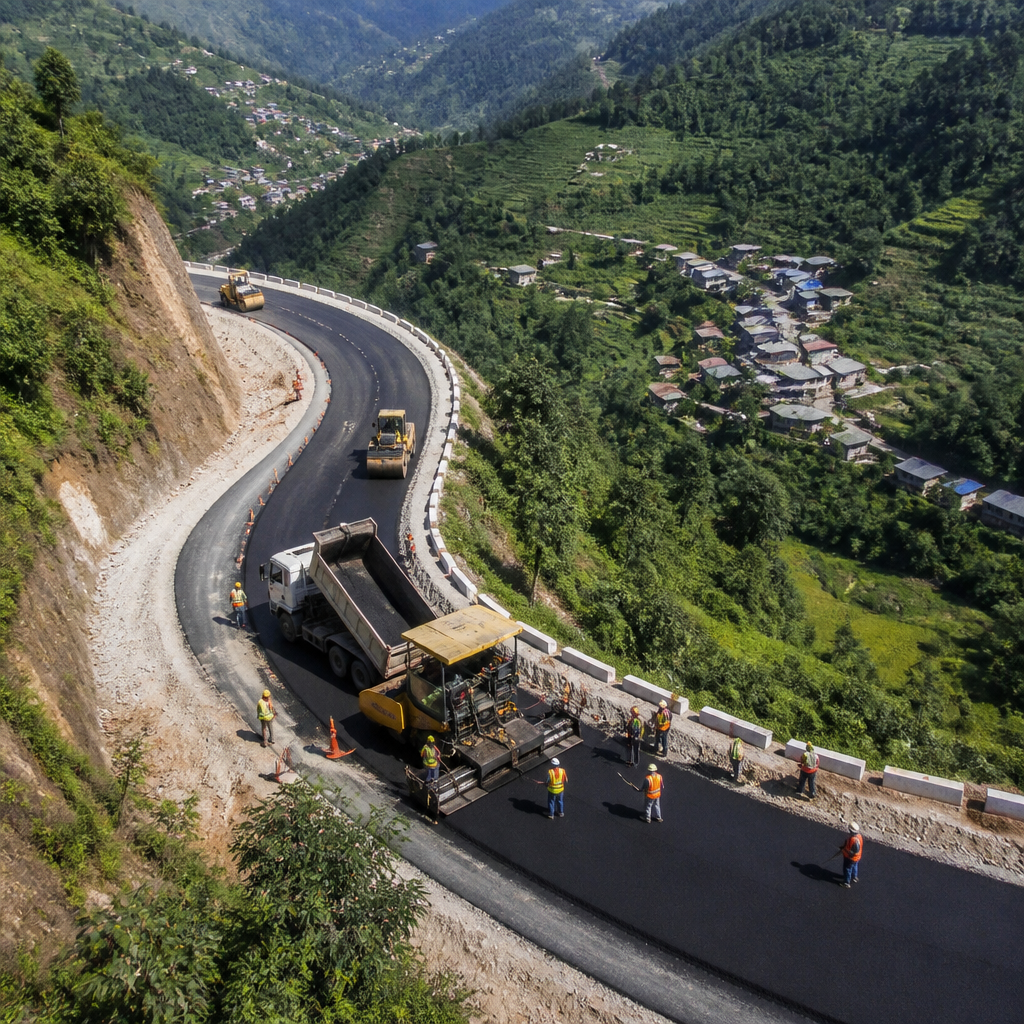
Haiti’s economy contracted for several consecutive years running into the mid-2020s. Political instability, repeated natural disasters, and armed gang violence have severely disrupted infrastructure, with gang control over key roads halting the flow of basic necessities to cities and towns across the country. These are not isolated events. They are the compounding results of decades of underinvestment in resilient, community-owned infrastructure.
Rural communities face a specific version of this crisis. Agricultural productivity remains low partly because roads and irrigation systems are inadequate, making post-harvest losses high and market access unreliable. Mountainside communities are especially isolated. A medical emergency, a market trip, or a school commute that would take minutes on a paved road can take hours on terrain that becomes impassable in rain.
The structural problem with most external infrastructure funding in Haiti is that it builds things without building the capacity to maintain them. A water pump installed by an outside organization with no training for local technicians and no community fee structure for maintenance will break down within a few years, and nothing will replace it. Haiti has seen this cycle repeat across dozens of infrastructure categories.
The question donors need to ask about any Haiti infrastructure program is specific: what is the maintenance plan after external funding ends, and who holds decision-making authority over it? If those two questions cannot be answered clearly, the infrastructure investment is likely to be temporary regardless of how large the initial donation was.
Pro tip: When evaluating any Haiti development program, ask specifically whether the community holds the maintenance budget and technical knowledge, or whether both still sit with the external organization. Maintenance capacity, not construction, is the real test of sustainable infrastructure.
Community2Community addresses SDG 11 through its Infrastructure and Economic Development Initiative, which is one of four core initiatives in the C2C Collaborative Framework. The Framework explicitly aligns with UN Sustainable Development Goals 1 through 4, 6, 8, 11, 13, 15, and 17. SDG 11 sits at the center of C2C’s infrastructure work because the physical conditions of communities, roads, water systems, sanitation facilities, and shelter, determine whether every other development goal is achievable.
The Collaborative Framework is not a funding pipeline that delivers completed projects to passive communities. It is a structured partnership model where Haitian partner communities define their own development goals and hold genuine decision-making authority over the projects that follow. Haitian engineers, skilled tradespeople, educators, and community leaders are not consulted as a formality. They drive the work. That distinction matters because it is what separates infrastructure that lasts from infrastructure that deteriorates once outside attention moves on.
To participate in the C2C Collaborative Framework, communities are expected to be active contributors, not aid recipients. This means identifying priorities, organizing local labor for construction projects, and committing to the governance structures that will maintain completed infrastructure. A community water board, for example, is not an optional add-on after the pump house is built. It is a prerequisite for the project moving forward.
This requirement is sometimes cited as a reason C2C moves more slowly than relief organizations. That criticism misunderstands the goal. Speed of delivery is not a meaningful metric for infrastructure that needs to function for decades. The upfront investment in governance capacity is exactly what makes C2C-built infrastructure different from the projects that have come and gone without lasting impact.
Pro tip: Donors who want to see lasting impact from Haiti infrastructure investment should specifically look for programs where the community governance structure, such as a water board or a road maintenance committee, is established before construction begins, not after.
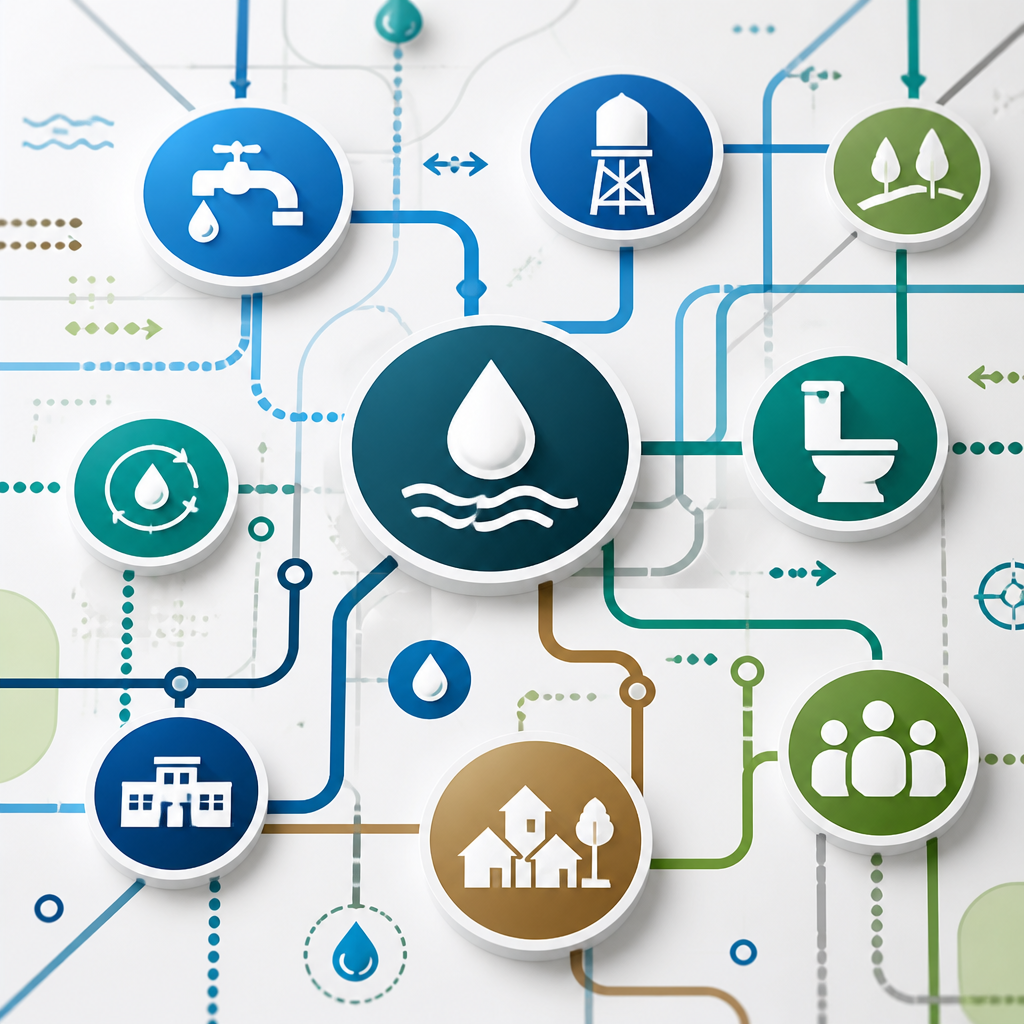
C2C’s Infrastructure and Economic Development Initiative addresses three interconnected needs: road access, clean water, and sanitation. The initiative treats these as a system, not as separate projects, because progress in one area multiplies the impact of progress in the others.
Road construction in C2C partner communities is framed as economic development, not simply physical infrastructure. Passable roads open markets, reduce the cost and time of reaching healthcare facilities, and allow skilled professionals from the community to travel for work without the journey itself being the main obstacle. In mountainside communities in Haiti, this is a transformative change. C2C has active road construction work in progress in partner communities, with the explicit goal of increasing travel and economic development.
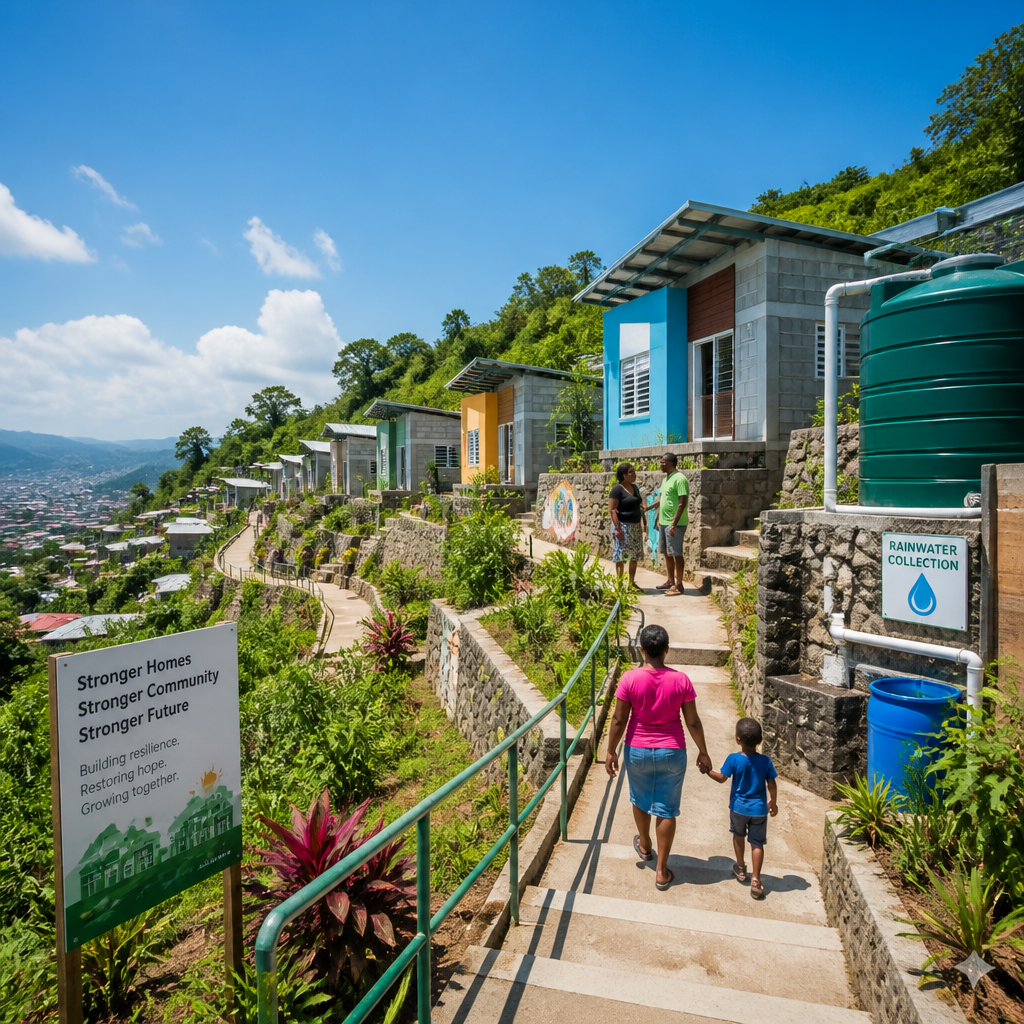
C2C’s water initiative in its Mountainside Partner Community is a four-phase gravity-fed water distribution system designed to provide clean, potable water directly to the community at a rate of six gallons per minute. A pump house equipped with solar panels and batteries pumps water to a nearby mountaintop, from which gravity distribution delivers it to community members.
The financial model built into this system is significant. Residents pay a small fee for water access. That revenue is directed to the community water board, not to C2C or any external organization. The board uses the funds for system maintenance and longer-term development goals. This makes the water system financially self-sustaining once operational, which is a direct expression of SDG 11’s emphasis on resilient and sustainable infrastructure.
The C2C sanitation initiative includes latrine construction in partner communities. The connection to SDG 11 here runs through public health. Communities without sanitation infrastructure face high rates of waterborne illness, which reduces adult productivity, keeps children out of school, and strains whatever limited healthcare capacity exists nearby. Latrine construction is not a standalone hygiene intervention. It is a foundational condition for community economic and educational progress.
The debate about how to build lasting infrastructure in fragile states is no longer theoretical. There is a clear pattern: projects designed by external organizations and delivered to communities tend to fail at maintenance, while projects designed with genuine community input and local decision-making authority tend to persist. The difference is not goodwill or funding size. It is governance structure from day one.
| Approach | How It Works | Long-Term Outcome |
|---|---|---|
| Top-Down External Delivery | External organization designs, funds, and builds infrastructure. Community is consulted or informed but does not control decisions or maintenance budgets. | High short-term visibility. Low durability. Maintenance typically fails within a few years when external attention shifts. |
| Community-Participatory Model | Community participates in planning but external organization retains final authority over design, budget, and timeline. Local input shapes but does not govern decisions. | Better than top-down but still dependent on external continuity. Partial ownership means partial maintenance responsibility. |
| C2C Collaborative Framework | Haitian partner communities define their own goals and hold decision-making authority. Local engineers, tradespeople, and governance bodies lead. C2C provides resources and structured support. | High durability. Communities maintain systems because they own them. Designed to reach self-sufficiency after the pilot phase replicates across Haiti. |
The practical implication for donors is direct. Funding infrastructure through a model where the community does not hold governance authority is not a sustainable investment. It is a temporary service delivery. C2C’s model is specifically designed to change the governance equation, which is why it takes longer upfront and lasts much longer afterward.
Donors who care about SDG 11 outcomes in Haiti have specific ways to make their contributions count. The most impactful giving is aligned with programs that can demonstrate three things: community ownership of the infrastructure being built, a maintenance model that does not depend on future donations, and a plan for replication beyond the pilot community.
C2C’s Haiti Restoration and Transformation Pilot Project is designed with all three of those criteria in mind. The pilot, which covers water, reforestation, education, and road construction across partner communities, is explicitly intended to be replicated throughout other areas in Haiti once completed. The four-initiative structure is not a collection of separate projects. It is a proof-of-concept model for community-led self-sufficiency that can scale.
Monthly giving is the most practical way individual donors can support sustained infrastructure work. One-time gifts fund moments. Monthly giving funds systems. C2C’s Neighbor monthly donor program is designed to provide the kind of consistent, predictable funding that infrastructure projects require. Road construction, water system phasing, and sanitation programs all operate on multi-year timelines. Monthly donors fund the continuity that makes those timelines achievable.
Donors who want accountability metrics that go beyond anecdotal impact reports benefit from C2C’s explicit alignment with UN Sustainable Development Goals. SDG 11 provides internationally recognized benchmarks: access to adequate housing, access to safe transportation, proportion of population with access to safe drinking water, and reduction in disaster risk. These are measurable. They allow donors to evaluate whether programs are moving real indicators or simply generating good stories. C2C’s Collaborative Framework is built to move the indicators.
SDG 11 is the UN Sustainable Development Goal focused on making cities and human settlements inclusive, safe, resilient, and sustainable. For Haiti, this goal addresses acute deficits in road access, clean water delivery, sanitation infrastructure, resilient housing, and disaster risk reduction. Haiti’s combination of frequent natural disasters, political instability, and decades of underinvestment in public infrastructure makes SDG 11 one of the most critical development priorities in the country.
C2C’s Infrastructure and Economic Development Initiative directly addresses SDG 11 through road construction to open economic opportunity, a multi-phase gravity-fed water distribution system providing potable water to mountainside communities, and latrine construction to improve sanitation. All three components align with SDG 11 targets around safe and affordable transportation, universal access to clean water, and improved conditions in informal settlements. C2C explicitly maps its Collaborative Framework to UN SDG 11 as part of its program design and impact measurement.
The decisive difference is governance. In C2C’s model, Haitian partner communities hold decision-making authority over development goals, project design, and maintenance planning. Local engineers, skilled tradespeople, and community leaders are not just consulted. They lead. The infrastructure built under this model comes with community governance structures already in place, such as a water board with its own revenue from user fees, which makes maintenance possible after external funding phases out. Most aid-funded infrastructure lacks this governance foundation, which is why it deteriorates.
Yes, directly. SDG 11 includes Target 11.2, which calls for access to safe, affordable, accessible, and sustainable transport systems for all. In rural and mountainside Haiti, the absence of a passable road is a transport justice issue with direct consequences for health access, education attendance, market participation, and economic mobility. C2C’s road construction work is framed as economic development precisely because road access is the condition that makes most other development outcomes achievable in isolated communities.
C2C’s pump house model includes a small user fee charged to residents for water access. That revenue is directed to the community water board, not to C2C or any external funder. The water board uses those funds for system maintenance and long-term development priorities. This revenue model is designed to make the water system financially self-sustaining once operational, removing the dependency on perpetual donor funding that undermines most infrastructure in aid-dependent contexts.
Ask three questions before giving: Who holds decision-making authority over the project, the community or the external organization? Is there a maintenance plan in place that does not depend on future donations? Can the organization point to infrastructure that has remained functional several years after external funding ended? Donations to C2C’s Collaborative Framework support projects where all three of those questions have clear, affirmative answers. Monthly giving through the C2C Neighbor program provides the sustained funding that multi-year infrastructure projects require.
If you are working in or funding Haiti infrastructure development, we would genuinely like to hear what barriers or breakthroughs you have encountered in building community-owned, sustainable infrastructure on the ground.