
While Haiti faces numerous challenges, Community2Community (C2C) is leading the charge by crafting a distinctive approach to economic development Haiti desperately needs. By focusing on community-led sustainable development, C2C ensures that economic growth is built from within, driven by the people of Haiti themselves. This local engagement is vital in creating decent work in Haiti and aligning with the United Nations Sustainable Development Goal 8.
| Key Insight | Explanation |
|---|---|
| Community-Driven Growth | Empowers local Haitians to lead their own development efforts. |
| Sustainable Infrastructure | Develops long-lasting public works to support local economies. |
| Focus on Education | Invests in ongoing education to enhance workforce skills. |
| Partnership with Communities | Direct alliances with local communities ensure projects meet actual needs. |
| Reducing Foreign Aid Dependence | Aims to decrease reliance on temporary foreign aid through sustainable practices. |
Pro tip: Engaging local leaders in planning stages ensures community needs are prioritized, enhancing project effectiveness.

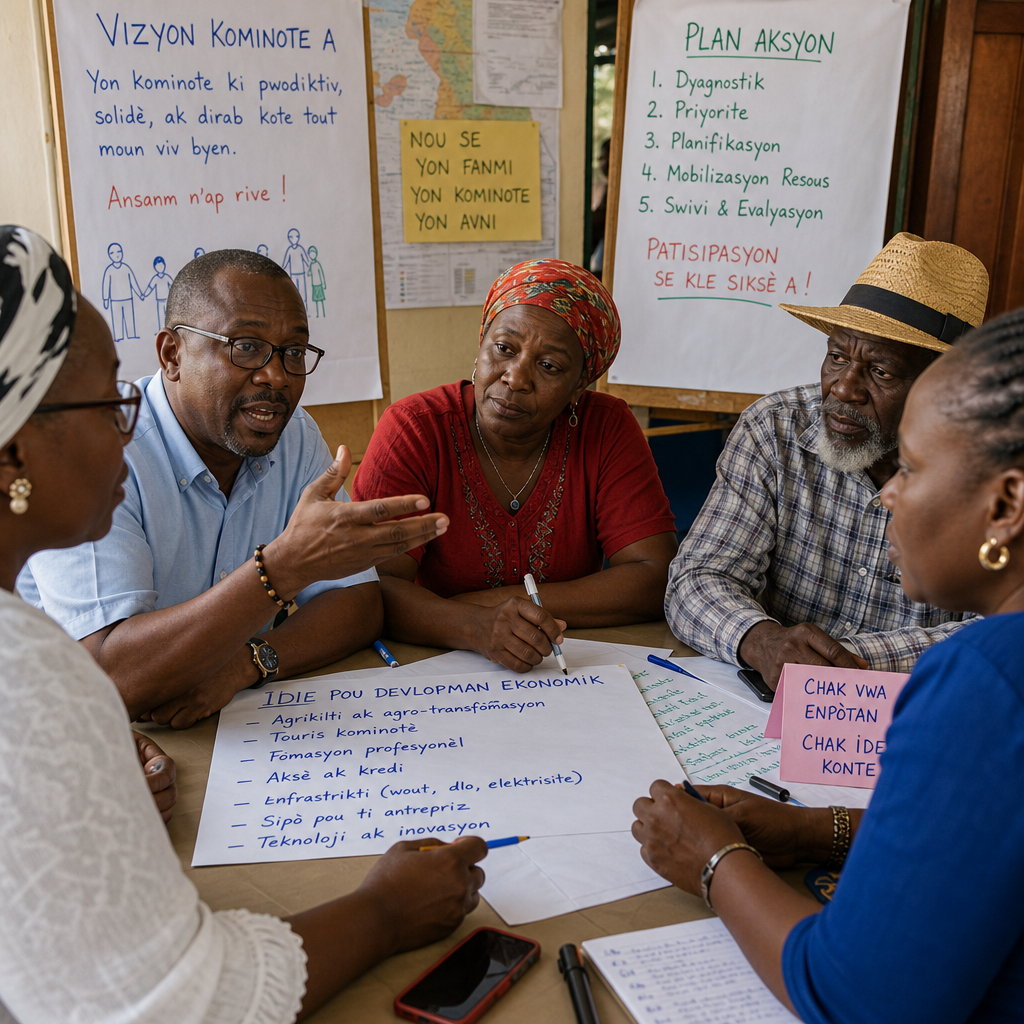
At the heart of C2C’s work is the C2C Collaborative Framework, a community-focused model that fosters local leadership. Unlike top-down initiatives, this framework encourages communities to identify and prioritize their own needs. In practice, this leads to more effective and sustainable outcomes. The data consistently shows that when communities have ownership, project success rates soar.
Community leaders are trained in project management and decision-making, providing them with the skills needed to maintain and manage initiatives over the long term. This skill-building is not just instrumental but a cornerstone of the strategy, ensuring communities are not left behind once outside assistance departs.
“Community empowerment is key. When Haitians lead, sustainable development follows.” – Expert in Haitian Development
Pro tip: Prioritize capacity building early in the process, as it fosters a sense of ownership and accountability within communities.
Ensuring economic development in Haiti goes hand-in-hand with creating job opportunities. C2C focuses on fostering entrepreneurship by offering training and resources to budding Haitian business owners. This not only generates jobs but also cultivates a resilient local economy.
Decent work Haiti programs are essential for eradicating poverty and building economic stability. C2C invests in vocational training programs that are tailored to the specific needs of the community, such as agriculture skills, craft production, and local commerce expertise. These programs are designed to be practical and directly applicable to Haitian markets.
The dedication to entrepreneurship extends to creating microfinance opportunities. By providing small loans and financial guidance, C2C enables local business growth, which further stimulates job creation and economic independence.
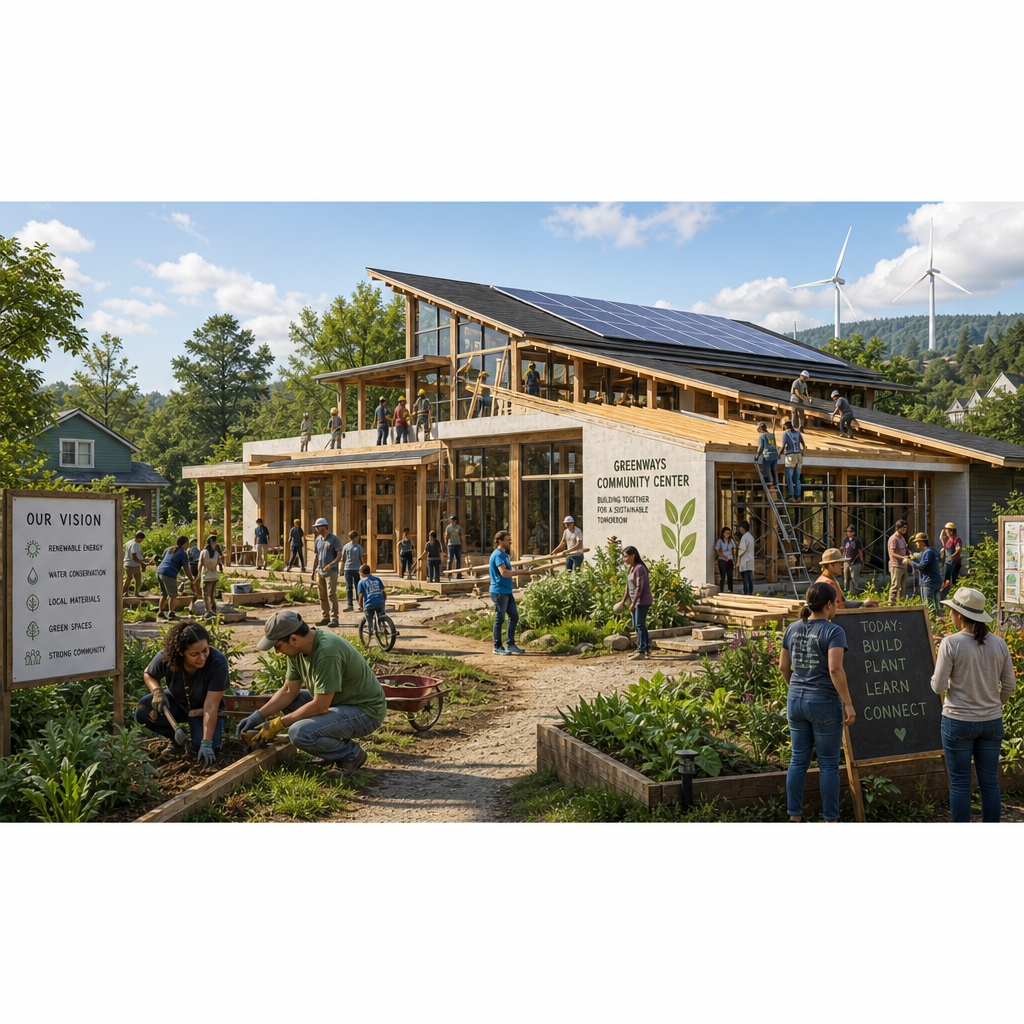
Education plays a pivotal role in Haiti’s economic development. C2C believes in accessible education, offering scholarships and educational programs to bolster skills development. UN SDG 8 Haiti emphasizes promoting sustained economic growth through better education and lifelong learning opportunities.
According to UNESCO, educating the youth is crucial for long-term economic success. C2C has taken decisive steps by setting up community learning centers that offer courses ranging from basic literacy to advanced vocational training. This approach not only enhances individual prospects but also prepares a more skilled workforce, ready to tackle the country’s future challenges.
Investment in education is a direct investment in the country’s future. The youths who gain career-oriented education today become tomorrow’s innovators and business leaders, setting the pace for continuous development.
| Approach | Pros | Cons |
|---|---|---|
| Top-Down Aid | Immediate relief and resources. | Short-term focus, lack of community ownership. |
| Local Community-Led | Sustainable growth, local buy-in. | Requires time to build capacity. |
| Microfinance | Empowers entrepreneurship. | Potential for financial risk if not well-managed. |
In a landscape defined by rapid iteration and shifting priorities, success belongs to those who maintain a rigorous focus on fundamental principles. It’s not enough to implement tactics; one must understand the underlying architecture of authority that drives sustainable results.
By prioritizing Clarity and Depth over simple volume, organizations can build the trust necessary to lead their respective markets. This commitment to quality acts as a force multiplier.
C2C aims to build a self-sustaining economy in Haiti by empowering local communities through skill development and entrepreneurship.
By fostering community ownership and leadership, C2C ensures that projects can continue without ongoing external assistance.
Local leadership ensures that projects are aligned with community needs and priorities, increasing their effectiveness and sustainability.
C2C provides training, resources, and microfinance opportunities to support local entrepreneurs in building sustainable businesses.
Education lays the foundation for a skilled workforce, which is essential for sustainable economic growth and development.
What initiatives have you seen succeed in fostering economic growth in similar contexts? Share your experiences and thoughts with us.