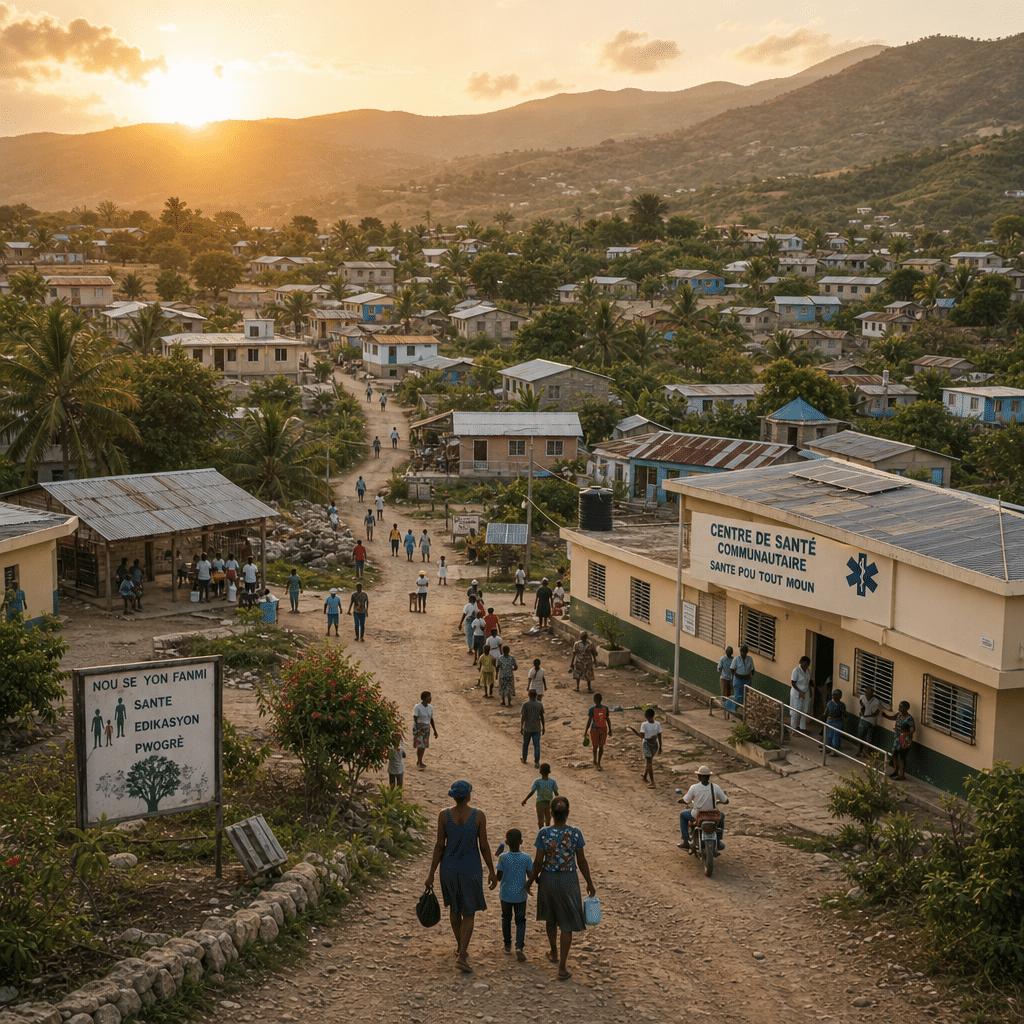
Most international health programs in Haiti are built around emergencies. An earthquake hits, cholera spreads, or a hurricane tears through a coastal community, and the funding flows. Then it stops. The C2C Continuous Care Initiative operates from a fundamentally different premise: that a Haiti health initiative only produces lasting change when it is embedded in daily community life, not triggered by crisis. This article explains how Community2Community structures continuous care, why it diverges sharply from traditional aid models, and what donors and community partners need to understand before engaging with this approach.
| Key Insight | Explanation |
|---|---|
| Continuous care beats emergency response | C2C invests in sustained health programs between crises, not just reactive relief, making community health gains more durable. |
| Community-led design is non-negotiable | Haitian partner communities help define the health priorities, which increases program adoption and reduces dependency on outside direction. |
| UN SDG 3 is the measurable benchmark | C2C explicitly tracks progress toward good health and well-being targets, giving donors a transparent accountability framework. |
| Local health workers are the delivery mechanism | Training and supporting community health workers inside partner villages creates infrastructure that persists after foreign teams leave. |
| Dignity restoration is a health outcome | C2C treats psychological and social well-being as inseparable from physical health, which distinguishes it from clinically narrow programs. |
| Reduced aid reliance is the exit strategy | The initiative is explicitly designed to reduce, not extend, dependence on foreign funding by building self-sustaining community health systems. |
| Donor transparency drives program trust | C2C publishes its Collaborative Framework outcomes so international philanthropists can track exactly where health investments land. |
The C2C Continuous Care Initiative is a structured, ongoing health and well-being program operated by Community2Community (C2C) inside its Haitian partner communities. It is not a standalone medical clinic, and it is not a short-term vaccination drive. It is a multi-layered system that includes preventive health education, maternal and child care support, nutrition monitoring, and mental health awareness, all delivered through community-embedded structures that remain active regardless of whether a disaster is occurring.
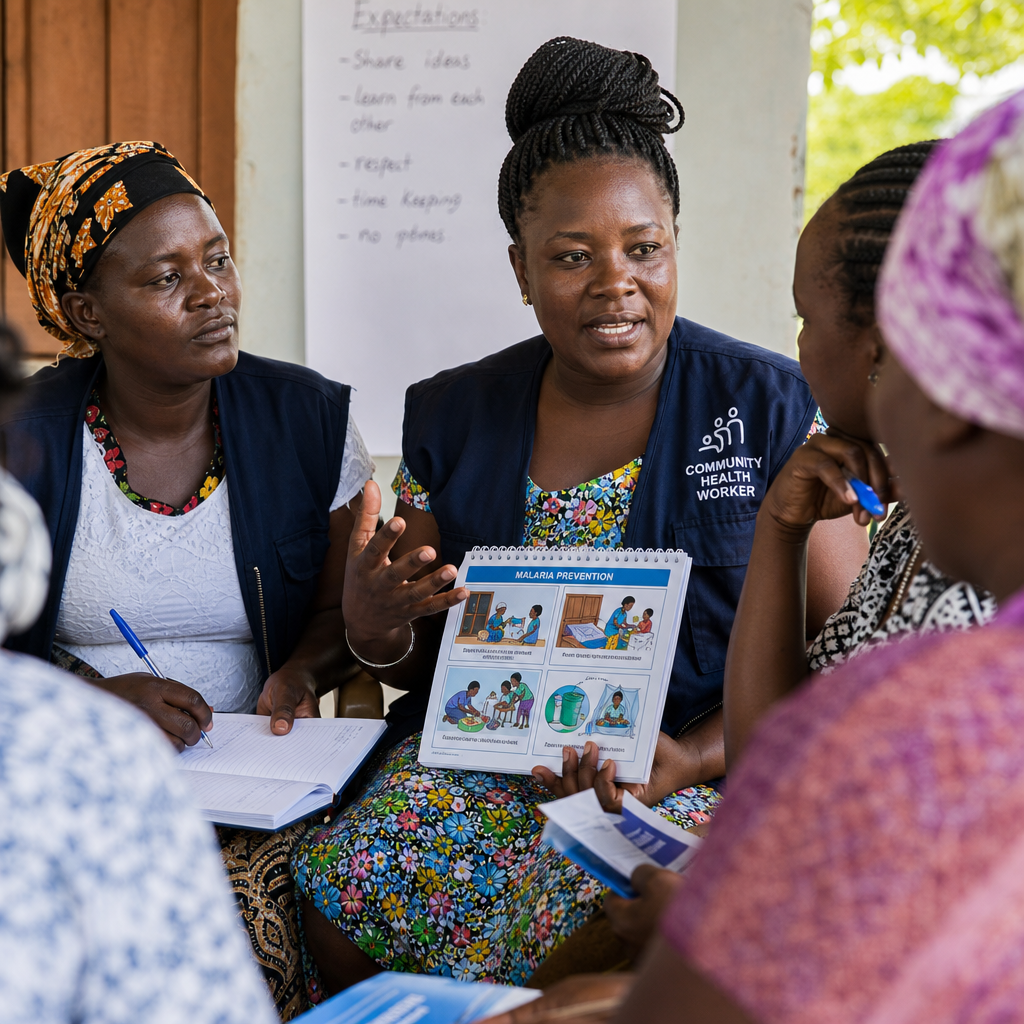
In practice, the initiative operates through trained local health facilitators who maintain regular contact with families in their neighborhoods. These are not imported health workers. They are community members who have been equipped with skills, protocols, and support systems through C2C’s Collaborative Framework. This design choice is deliberate. When the health knowledge lives inside the community, it does not leave when a foreign NGO moves on to the next emergency.
Pro tip: If you are evaluating Haiti health initiatives as a donor, ask specifically whether local community members are trained as ongoing facilitators or whether the program relies on rotating external staff. The answer tells you almost everything about long-term viability.
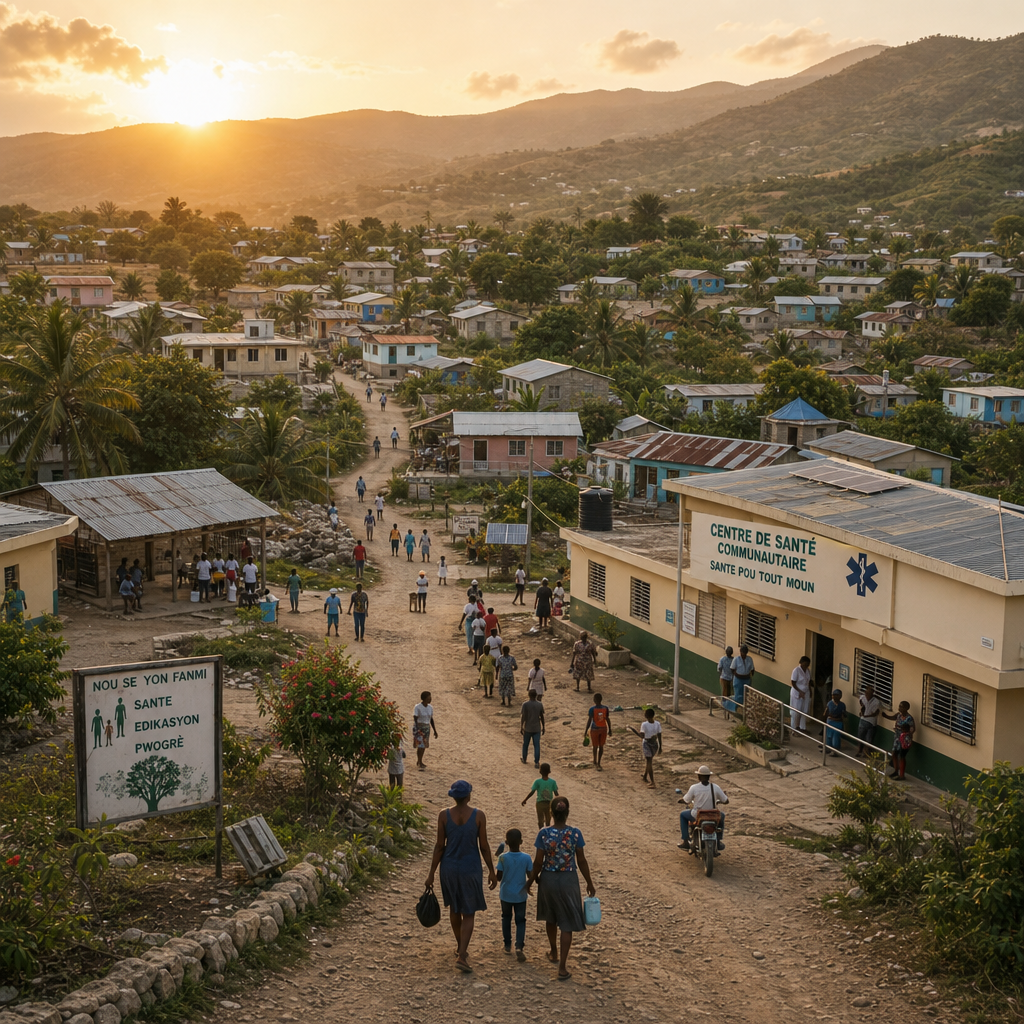
Haiti has received billions in international health aid since the 2010 earthquake. According to the World Bank, Haiti received over $13 billion in reconstruction assistance in the decade following the earthquake, yet health indicators in many rural communities remain among the lowest in the Western Hemisphere. The pattern is consistent: large aid injections arrive, services spike temporarily, and then recede when funding cycles end.
The data consistently shows that health outcomes in low-income countries deteriorate fastest in the gaps between crisis-response phases. Preventable diseases like cholera, tuberculosis, and malnutrition do not follow aid funding calendars. They persist year-round, and they are most lethal when community-level monitoring lapses. A crisis-only model is structurally blind to this reality.
A common mistake among well-intentioned organizations is designing programs that communities cannot operate without foreign management. When an NGO trains health workers for a six-month project and then closes the program, those skills have nowhere to go. C2C’s Continuous Care Initiative is explicitly built to avoid this. The goal is not to make communities need C2C indefinitely. The goal is to make the health system community-owned.
Organizations like World Vision and Global Communities do meaningful emergency work. But their operating models remain largely crisis-responsive and externally managed. C2C’s positioning in the community health Haiti space is distinct precisely because the design priority is local ownership from day one, not as an eventual handover.
“Health is a state of complete physical, mental and social well-being and not merely the absence of disease or infirmity.” – World Health Organization Constitution, 1948
UN Sustainable Development Goal 3 calls for ensuring healthy lives and promoting well-being for all at all ages. For UN SDG 3 Haiti implementation to mean anything at the community level, it requires specific, measurable programs, not aspirational language. C2C uses SDG 3 as a concrete accountability structure for its Continuous Care Initiative, mapping each program component to specific SDG 3 targets.
SDG 3.1 targets a global maternal mortality ratio reduction to fewer than 70 per 100,000 live births. Haiti’s maternal mortality rate sits significantly above this benchmark. The C2C Continuous Care Initiative addresses this directly through prenatal care education, birth preparedness planning, and postnatal nutrition support in partner communities. These are not one-time interventions. They run continuously through community health facilitators who track pregnancies and flag high-risk cases.
SDG 3.3 targets ending epidemic diseases including tuberculosis, malaria, and neglected tropical diseases. In Haitian partner communities, C2C’s continuous care model includes regular health screenings, hygiene education, and water-related illness prevention, which directly reduces communicable disease transmission. The continuity is what matters. A single hygiene education session changes nothing. Monthly reinforcement, delivered by a trusted neighbor, changes behavior.
Pro tip: When reviewing any organization’s claim to advance UN SDG 3 Haiti targets, look for program continuity data spanning at least 12 months. A single-event health intervention cannot legitimately claim SDG alignment.
The C2C Collaborative Framework is the structural backbone through which the Continuous Care Initiative is designed, implemented, and evaluated. The Framework positions Haitian partner communities not as recipients of health services but as co-architects of the programs that serve them. This distinction has practical consequences for how health needs are identified, prioritized, and addressed.
In the health context, this means community leaders participate in needs assessments. They help determine whether nutritional education, maternal care, or mental health awareness should be prioritized in a given program cycle. The facilitators who deliver care are selected by the community, not assigned by C2C’s external team. This creates a level of community accountability that external NGO staff simply cannot replicate.
C2C explicitly frames dignity restoration as a development outcome, and this extends to the health sphere. In practice, programs that treat Haitian communities as passive aid recipients produce measurably lower engagement and worse health outcomes than programs that treat community members as active problem-solvers. The Continuous Care Initiative is designed around participation, not charity. Families who have agency in their health decisions are more likely to follow through on preventive care protocols.
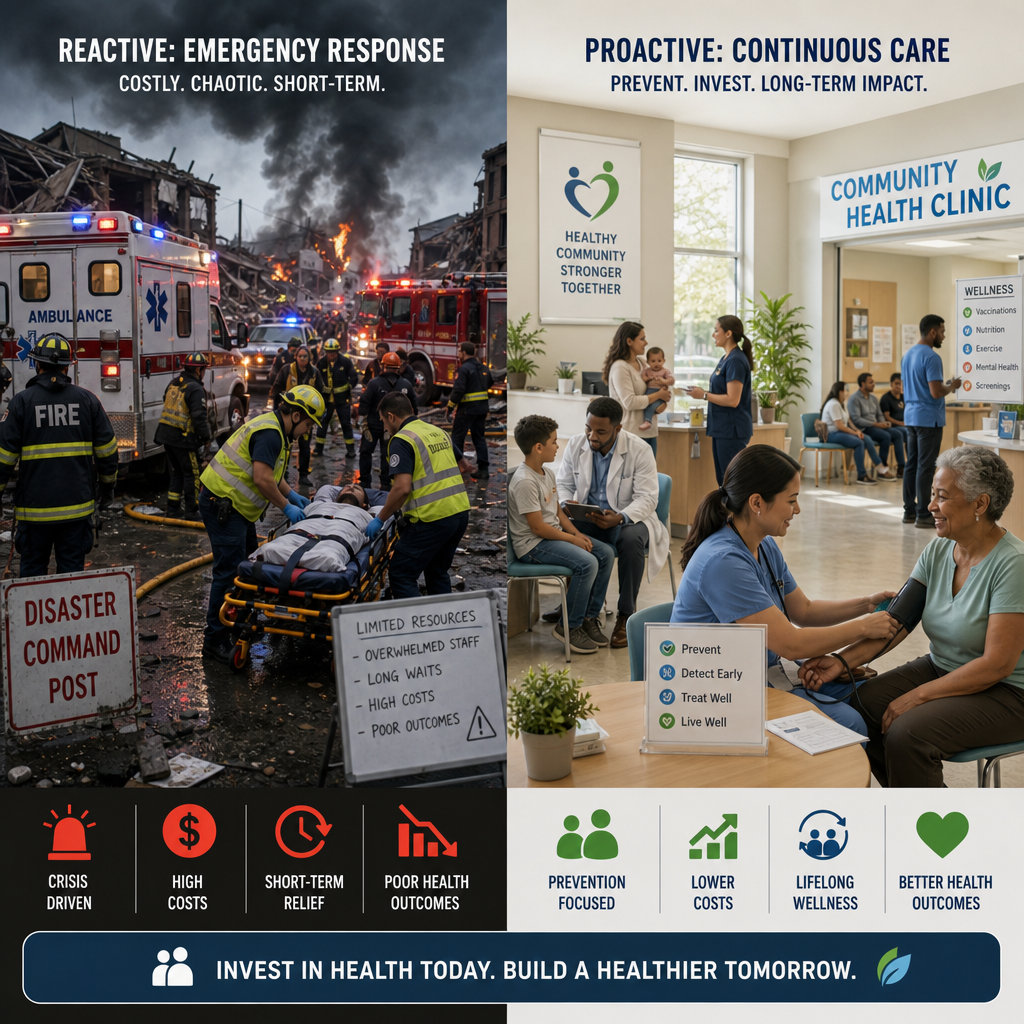
Understanding where the C2C Continuous Care Initiative sits relative to other approaches helps donors and community partners make informed decisions about where their support will produce lasting results.
| Model Type | Primary Delivery Method | Community Ownership Level |
|---|---|---|
| Crisis-Response Model (e.g., World Vision emergency health programs) | External teams deployed during emergencies, withdrawn after stabilization | Low. Communities receive services but do not direct or sustain them. |
| Clinic-Based NGO Model (e.g., Haiti Partners health outreach) | Fixed clinic locations staffed by trained external or semi-external personnel | Medium. Communities access services but depend on external staffing and funding. |
| C2C Continuous Care Initiative | Community-embedded facilitators trained and supported through the C2C Collaborative Framework | High. Communities co-design, implement, and sustain health programs with C2C support. |
The data consistently shows that high community ownership correlates with better long-term health outcomes in low-resource settings. A 2019 Lancet study on community health worker programs in sub-Saharan Africa found that programs with strong community governance reduced child mortality rates by up to 30 percent compared to externally managed programs in equivalent settings. The principle applies directly in Haiti.
The term community health Haiti is used broadly across the development sector, but most programs that claim community health as their focus are still fundamentally delivery-centered rather than capacity-centered. Delivering health services to a community and building a community’s capacity to manage its own health are not the same activity. C2C’s Continuous Care Initiative falls firmly in the second category.
C2C invests in multi-month training cycles for community health facilitators, covering topics from basic illness recognition and referral protocols to nutrition education and maternal health monitoring. Critically, the training is structured so that facilitators can operate independently once the initial cycle ends. C2C provides ongoing technical support, but the day-to-day delivery of care does not require C2C staff to be physically present.
Most discussions of health infrastructure focus on clinics, equipment, and supply chains. C2C’s approach recognizes that in communities where physical infrastructure is fragile and supply chains are unreliable, the most durable health infrastructure is human. A trained, trusted community health facilitator who knows every family in the neighborhood is more resilient than a clinic building. Buildings flood, equipment gets looted in post-disaster chaos, and supply chains collapse. Community knowledge and trusted relationships do not.
This is not idealism. It is a practical response to Haiti’s specific context. The country’s vulnerability to natural disasters makes fixed-asset health infrastructure chronically risky. Investing in people-centered capacity is a more rational infrastructure strategy for this environment.
International donors and philanthropists supporting Haiti health initiatives face a fundamental accountability problem: it is very difficult to distinguish between organizations that produce genuine community health improvements and organizations that produce impressive-sounding reports about health activities. C2C’s Continuous Care Initiative addresses this through transparent outcome reporting tied to the C2C Collaborative Framework.
Before committing funding to any Haiti health initiative, donors should ask three specific questions. First, what percentage of program staff are community members from the partner communities themselves? Second, can the program continue operating at reduced capacity if external funding is paused for six months? Third, how are community health outcomes measured across multiple years, not just within a single project cycle?
C2C’s model is designed to answer all three questions affirmatively. The Continuous Care Initiative is built for durability. That means it is also built for honest reporting about what is and is not working, because communities that co-own their programs have strong incentives to surface problems rather than hide them to please funders.
The organizations most likely to produce lasting health improvements in Haiti are not the largest ones or the ones with the most dramatic emergency-response footage. They are the ones whose communities would choose to continue the program even if external funding disappeared. That is the standard C2C’s Continuous Care Initiative is held to, and it is the standard every donor should apply.
The initiative covers preventive health education, maternal and child care support, nutrition monitoring, hygiene and water-related illness prevention, and mental health awareness. These services are delivered continuously through trained community health facilitators, not through emergency-triggered deployments. The exact mix of services is determined collaboratively with each partner community based on their specific health priorities.
The core difference is community ownership. Most Haiti health programs are delivered to communities by external staff. C2C trains and supports community members to deliver and manage health services themselves. This means programs persist beyond the funding cycle, communities develop durable health management capacity, and dependency on foreign aid is actively reduced rather than maintained.
C2C maps its program components directly to UN SDG 3 targets, including maternal mortality reduction (SDG 3.1), communicable disease prevention (SDG 3.3), and universal health coverage principles (SDG 3.8). The initiative uses these targets as accountability benchmarks, not as marketing language. Donors can track progress against specific SDG metrics rather than relying on anecdotal impact reports.
Donors can contribute through C2C’s direct giving channels, which fund the training and operational support of community health facilitators, nutrition monitoring programs, and health education materials. C2C publishes outcome data through its Collaborative Framework reporting, so donors can verify how funds are used and what measurable health improvements result. Long-term, multi-year commitments are more effective than one-time gifts because continuous care programs require sustained operational funding.
Communities that experience foreign aid as disempowering, where outsiders arrive with answers and leave without transferring capacity, often disengage from health programs over time. C2C’s approach treats dignity restoration as a prerequisite for sustained health behavior change. When community members are treated as co-designers of their own health systems, program adoption rates are higher, facilitator retention improves, and the health improvements are more durable. This is not a philosophical preference. It is what the evidence from community health programs in similar contexts consistently supports.
The Continuous Care Initiative is explicitly designed so that trained community facilitators can maintain core health education and monitoring functions even when external funding is reduced. The goal of the C2C Collaborative Framework is to build community health capacity that is self-sustaining at a baseline level. This does not mean external funding is unimportant. It means the program architecture does not collapse the moment funding fluctuates, which is a critical resilience feature given Haiti’s history with aid dependency cycles.
If you have direct experience with community health programs in Haiti or have evaluated health initiatives as a donor, share what accountability measures you found most meaningful in practice.